Colorado Sleep Environment: How Climate and Altitude Shape Your Bedding Needs
Explore how Colorado’s high altitude, dry air, and seasonal temperature shifts influence sleep comfort. This guide offers practical bedding adjustments, room-temperature tips, and brand-backed options to help Colorado residents sleep better year-round without commercial pressure.
Introduction: Sleep in a High-Altitude, Dry-Climate Home
Colorado’s landscape isn’t just about its breathtaking peaks and vast skies; it orchestrates a distinct sleep climate inside bedrooms. At elevations often hovering around 5,000 feet or higher, homes experience air that’s thinner and drier than many other parts of the country. This affects humidity, mucus membranes, airway comfort, and even the feel and performance of mattresses. Add in seasonal shifts—cold, dry winters and warm, dry summers—and you have a sleep environment that rewards breathable fabrics, thoughtful temperature regulation, and thoughtful layering of bedding.
In this article, we lean into information-first guidance about how altitude and climate influence sleep and how to tailor bedding to Colorado’s unique conditions. We’ll explore altitude-driven humidity considerations, temperature regulation strategies, and a comparison of materials used by trusted bedding brands that frequently appear in Colorado-focused sleep conversations. Throughout, we’ll anchor recommendations to a non-commercial, educational approach, while highlighting real-world, brand-backed options to illustrate how the science translates into daily comfort.
Section 1: How Altitude and Dry Air Affect Humidity, Airway Comfort, and Mattress Performance
The air you breathe impacts sleep as much as the mattress you choose. In Colorado’s high-desert climate, humidity tends to be lower, especially in winter when heating systems dry the air further. This combination can lead to drier nasal passages, throat irritation, and sometimes snoring or disrupted sleep due to nasal congestion. Dry air also interacts with fabrics and moisture-wicking properties of sheets and covers. A well-chosen bedding system helps regulate moisture and temperature, which in turn supports easier breathing and more stable sleep architecture.
Key considerations when you sleep at altitude:
- Humidity management: Low humidity can dry the mucous membranes. In bedrooms, consider a modest humidity target (around 30-50% when possible) using humidification in dry months or natural moisture-retaining fabrics.
- Breathable fabrics: Materials like cotton, especialmente in lighter weaves (percale) or high-quality wool blends, can help manage moisture while remaining comfortable as temperatures swing.
- Mattress and foundation interaction: In drier environments, moisture management within the mattress layers and breathable covers helps maintain loft and support, preserving spinal alignment over time.
Case in point: the Sleep and Beyond line features comforters and wool-based fillings designed to regulate warmth and wick moisture. Wool, in particular, has natural moisture management properties that can help Colorado sleepers feel balanced through temperature swings. A duvet with wool fills can be paired with breathable cotton covers to balance warmth without overheating during shoulder-season nights.
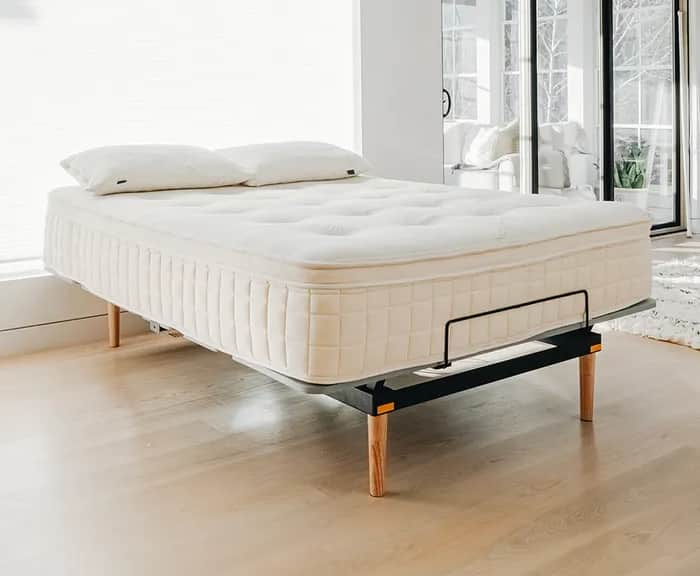
In the realm of adjustable supports and foundations, an adjustable bed base can further improve sleep comfort at altitude by allowing you to customize head elevation for easier breathing and reduced snoring. A product like the Naturepedic Conductor Adjustable Bed Frame offers a combination of ergonomic support, zero-gravity feel, and app-controlled presets that can be tailored to altitude-related comfort needs. Its wooden base and wall-hugger design keep nightstands accessible while adjusting the sleep surface for optimal airway alignment.
From a historical perspective, consider how sleep furniture has evolved to respond to regional climates. Traditional, low-profile bed frames often paired with heavier duvets in colder climates, while modern, breathable bedding uses lighter base layers and modular blankets to adapt to seasonal shifts. The Colorado sleep story is one of balance—keeping the room warm enough to sleep comfortably during chilly nights, but with the ability to shed heat when the sun opacity increases and the air remains dry.
Section 2: Temperature Strategies for Colorado Homes
Colorado homes frequently experience wide temperature swings between day and night. Effective temperature strategies combine breathable sheets, duvet weights suited to season, and energy-efficient heating and cooling approaches tailored to Colorado’s climate cycles.
Breathable sheets and duvet weights: A core idea is to layer bedding so you can adjust warmth without overheating. For many Colorado residents, a mid-weight duvet paired with breathable cotton sheets offers a reliable baseline. When nights are particularly dry and cool, layering with a lighter blanket or comforter can help fine-tune warmth without creating a heavy, overheating layer. In warmer months, lighter sheets and a cooler duvet or even a sheet-based blanket can achieve the same goal without bulk.
Seasonal cycle tips to optimize temperature and comfort:
- Winter: Use a breathable duvet cover with wool or down-alternative fill, balancing loft and warmth. Consider a moisture-wicking top layer for the sheet set to reduce night-sweat discomfort as indoor heating dries the air.
- Spring and fall: Adjust layering based on nighttime temperature; consider a lighter duvet or a multi-layer approach so you can shed or add warmth easily.
- Summer: Focus on sheets with higher breathability (percale weave) and lighter-weight comforters. A cooling pillow and a temperature-regulating mattress protector can help maintain comfort during warmer nights.
Material choices for Colorado bedding reflect this balance. The Sleep and Beyond MyComforter Light is a wool-filled option designed to regulate temperature across seasons; it’s hypoallergenic and breathable, offering warmth without excessive bulk. For those seeking a high-loft, robust warmth, the Denali Arctic Comforter with a hypodown blend presents a top-tier option for seriously cold sleepers or very cool bedrooms, providing loft without overheating the body.
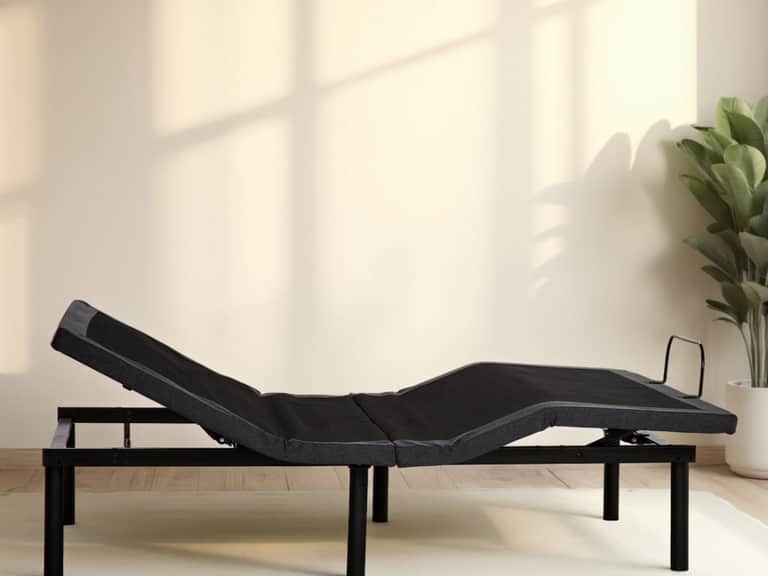
Brand-backed considerations for Colorado: The Clean Bedroom line emphasizes adjustable bed bases with multiple levels of elevation and features like independent head and foot lifts, built-in massage, and ambient lighting. These bases align with the need to adjust sleeping posture across seasons and altitude-related breathing comfort. The Level 1‑4 adjustable bases provide a range of stabilization and customization options to achieve posture-friendly sleep postures that can help with snoring or back discomfort, both of which can be influenced by temperature and humidity shifts in Colorado bedrooms.
Energy efficiency is another critical dimension. Colorado homes often run heating systems longer in winter due to cold nights and dry air. Choosing lighter-weight bedding and optimizing within-room temperature via smart thermostats can cut energy use and create a more stable sleeping environment. A practical approach is to pair breathable bedding with appropriate heating and cooling strategies that keep the room within a comfortable band, avoiding extreme swings that disrupt sleep architecture.
Section 3: Brand-Backed Bedding Considerations for Colorado
We turn to trusted bedding brands that frequently appear in Colorado-focused conversations, using their materials and product concepts as anchors for practical guidance. The aim is to translate what makes these products effective in high-desert environments into everyday bedroom decisions that readers can apply without feeling pressured toward a sale.
Naturepedic Conductor Adjustable Bed Frame (Naturepedic) combines certified organic cotton upholstery with high-tech features like Bluetooth connectivity and a wireless remote for effortless comfort. The adjustable base supports head and foot articulation, a zero-gravity setting, memory presets, and a wall-hugging design that keeps your nightstand accessible while you adjust your posture for easier breathing. This frame is designed to be compatible with a variety of mattresses and can adapt to a Colorado sleep routine that prioritizes airway comfort and posture alignment. It also offers a durable, long-term build suitable for a climate with seasonal temperature shifts.
The Clean Bedroom adjustable bed bases (The Clean Bedroom) offer Level 1 through Level 4 options with independent head and foot lifts, neck tilt, multiple massage modes, under-bed lighting, and preset memory configurations. These features provide a customizable platform for respiratory comfort and spinal support, which are especially relevant when humidity and temperature influence the ease of breathing at night. The Level 2 and Level 3 bases introduce dual massage options and USB ports for charging devices—small conveniences that improve nighttime routines and reduce disruptions during the sleep period.
Wool-filled comforters (Sleep and Beyond; Denali Arctic Comforter) can be particularly well-suited for Colorado’s dry, crisp nights. Wool’s natural moisture-regulating properties help with humidity fluctuations across the season, while the Denali Arctic’s hypoallergenic goose down blend adds loft and warmth without trapping excess heat. Such combinations support a balanced sleep environment in a climate where keeping warmth without overheating is key to consistent sleep quality.
In addition to bedding, breathable linen or cotton blends for sheets, duvet covers, and pillowcases can influence sleep quality by maintaining surface temperature and aiding airflow. Percale-weave sheets, for example, offer a crisp feel and strong breathability, making them a popular choice in dry climate regions. Layering decisions become a practical exercise in balancing warmth, moisture management, and air circulation in a Colorado bedroom.
Colorado-focused considerations also include allergy awareness, as seasonal allergens can affect sleep quality. When selecting bedding materials, consider hypoallergenic options and easy-care fabrics that resist dust mites and are simple to wash during seasonal transitions. A well-chosen duvet cover, pillow cover, and mattress protector that are easy to launder can help maintain a clean, breathable sleep environment year-round.
To summarize, the California-to-Colorado thread of bedding decision-making is supported by three threads: breathable fabrics for surface comfort, adaptive bases for posture and airway support, and temperature-regulating layers that respond to the seasonal dryness and altitude-driven humidity fluctuations. The Sleep and Beyond, The Clean Bedroom, and Naturepedic products highlighted here offer real-world prompts for how to align bedding with Colorado’s climate and altitude realities without feeling pressured by a particular brand’s sales messaging.
Section 4: Three Key Individuals Across Time Periods
To bring this topic to life, we spotlight three individuals whose work or perspectives illuminate the evolution of sleep—how people in different eras approached comfort, design, and wellness in relation to bedding and space.
1) Cleopatra VII Philopator (69–30 BCE) — Ancient Egypt, Queen of Sleep and Splendor
Although not a figure tied to Colorado, Cleopatra’s era underscores the timeless importance of comfort, ritual, and the aesthetics of rest. In art and literature, royal beds were central to royal identity, with fabric choices and linens signaling status and care. Cleopatra’s approach to rest—creating a sanctuary that combined beauty with practical comfort—echoes a universal truth: a sleep space should feel safe, luxurious, and personally rejuvenating. The modern takeaway is that the bed is a personal retreat, and the materials you choose (cottons, linens, wool layers) influence mood and nightly recovery as much as any advanced gadget.
2) Florence Nightingale (1820–1910) — Modern Hygienic Sleep Environments
Night-time health advocate Florence Nightingale’s influence extends beyond hospital wards to the broader idea of hygienic, well-ordered sleep spaces. Her emphasis on cleanliness, air quality, and systematic approaches to health informs today’s emphasis on breathable bedding and climate-aware bedroom design. In a Colorado context, Nightingale’s legacy invites readers to think about air quality, humidity, and the relationship between a clean, well-ventilated room and restful sleep—principles that align with choosing moisture-wicking fabrics, appropriate cleaners for bedding, and maintaining a balanced indoor climate.
3) Dr. Matthew Walker (b. 1970s) — Sleep Science Pioneer
Dr. Matthew Walker’s work on sleep and circadian rhythms has become a touchstone for sleep education today. His research highlights how sleep quantity and quality affect cognitive function, mood, and health. This modern science underpins practical bedding guidance: optimizing temperature, reducing light exposure, and choosing bedding that supports stable sleep patterns. In a Colorado setting, Walker’s insights reinforce the value of layered bedding that can be adjusted to the night’s microclimate, along with use of adjustable bases to elevate the head for easier breathing during dry, high-altitude nights.
Each of these figures—across eras—reminds us that the sleep environment is both a science and an art. The modern Colorado sleeper can borrow from ancient rituals, hygienic design principles, and contemporary sleep science to create a bedroom that supports restful hours, day after day.
Section 5: Practical Guide: How to Choose Bedding for Colorado Sleep
Putting theory into practice means building a bedding setup that responds to altitude, humidity, and seasonal shifts. Here’s a concise, actionable guide to help Colorado residents choose bedding thoughtfully.
- Assess your climate and season: Determine whether you need more loft and warmth for dry, cold nights or lighter layers for dry, warm nights.
- Choose breathable fabrics: Prioritize cotton percale or high-thread-count organic cotton duvet covers for daytime and nighttime moisture management.
- Layer intelligently: Use a mid-weight duvet or comforter with a breathable cover, and employ lighter blankets for layering to adjust warmth quickly.
Product example: The Naturepedic Conductor Adjustable Bed Frame offers a robust platform for adjusting your sleep posture, which is especially helpful for Colorado residents dealing with airway comfort and posture alignment. Its wall-hugging design keeps bedside usability intact as you vary your sleep position through the night.
Pair this with a well-chosen duvet system. For winter, consider a wool-filled option like Sleep and Beyond myComforter Light for warmth without heaviness, or a Denali Arctic Comforter when you’re facing truly cold, dry nights. In milder seasons, a breathable duvet cover set with cotton sheets can help maintain comfort without overheating. Finally, for year-round care, invest in a good mattress protector and a washable duvet cover to keep surfaces hygienic and fresh across the seasons.
Section 6: A 12-Week Colorado Sleep Content Plan (Sample)
If you’re planning ongoing content for a site with a Colorado sleep focus, consider a cadence that blends evergreen sleep science with Colorado-specific tips. Here’s a sample 12-week plan you can adapt:
- Week 1: A Beginner’s Guide to Mattress Types and Sleep Positioning
- Week 2: How Altitude Affects Humidity and How to Manage It
- Week 3: Breathable Bedding Essentials for Dry Climates
- Week 4: Temperature Regulation for Colorado Homes
- Week 5: Wool vs. Down: How to Choose Comforters in High Desert
- Week 6: Adjustable Bases and Posture for Better Sleep
- Week 7: Pillow Guide: Comfort, Support, and Climate
- Week 8: Sleep Hygiene in a Modern Colorado Home
- Week 9: Seasonal Allergies and Bedding Choices
- Week 10: Energy-Efficient Bedroom Design
- Week 11: Local Colorado Design Stories: Artisans and Materials
- Week 12: Sleep Myths Debunked with Scientific Evidence
Each post can reference the core brands we discussed, including Naturepedic, The Clean Bedroom, and Sleep and Beyond, to illustrate real-world options and how to evaluate products within a non-sales, information-first framework.
Conclusion: A Colorado Sleep Ethos—Calm, Measured, and Well-Informed
Colorado’s sleep story is one of thoughtful adaptation: layering bedding to respond to altitude and dry air; choosing breathable fabrics that balance warmth and moisture; and leveraging adjustable bases to optimize posture and airway comfort. By combining timeless advice about comfortable sleep environments with brand-backed materials and practical room-temperature strategies, readers can craft a nightly routine that respects both science and personal sleep preferences. The goal is not to push a product but to illuminate how to think about bedding with clarity and curiosity.
As you begin to test these ideas, remember the people behind the products matter as much as the products themselves. Real sleep health hinges on a mattress and a room that support your unique physiology and climate. And in Colorado, with its high altitudes and dry air, a purposeful approach to bedding can make the difference between a restless night and a restorative one.
Inventory and Navigation
Categories to explore for deeper dives into bedding topics include Bedding, Pillows, Adjustable Beds, Comforters, and a Colorado Focus with climate and altitude considerations. Within Bedding, you’ll find sections on mattress foundations, protectors, sheets, and duvet cover sets. The site can also offer tools like a glossary of bedding terms, printable guides, and checklists to help readers evaluate their sleep environment.
Notes on Accessibility and Style
The article maintains an information-first voice with editorial flourishes inspired by People magazine to keep the narrative engaging and relatable. The tone remains educational, warm, and inclusive, ensuring readers of all backgrounds feel invited to explore sleep science and bedding choices without pressure or hard sells. The layout prioritizes readability with bold headings, concise sections, and actionable bullet points, all presented in a Bootstrap 5 framework for responsive design and clean aesthetics.
Product Spotlight (Images Included)
Below are selected products that illustrate how brand-backed bedding can translate into real-world comfort in Colorado’s climate. Images demonstrate the product aesthetics; product details are included for context. Images are provided by the brands and linked here for reference.
Naturepedic Conductor Adjustable Bed Frame
The Naturepedic Conductor Adjustable Bed Frame combines organic cotton upholstery with a zero-gravity setting and Bluetooth app control for customized comfort.
Price: $1499.00
The Clean Bedroom Level 3 Adjustable Bed Base
Independent head and foot lifts, neck tilt, dual massage, and under-bed lighting for a complete sleep setup.
Price: $1399.00
Hypodown Bed – Best for Elevating Comfort
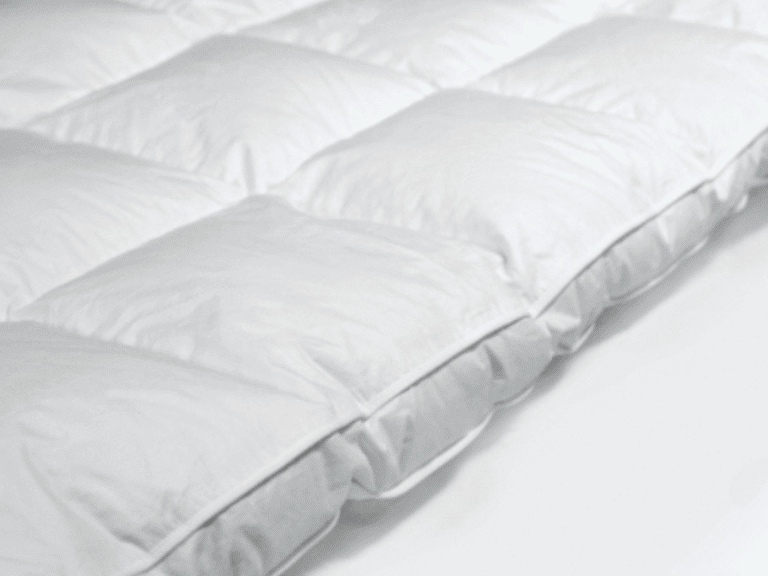
Hypodown fill options with a breathable pearl cambric shell for tailored loft and comfort.
Price: $1593.00
Note: Images are displayed to illustrate product aesthetics. Product details and availability may change; verify current specifications on the brand site.