Bedding Care Guide
Wool Comforter Care: Airing, Washing, and Seasonal Storage
A wool comforter can feel cozy without being complicated to maintain. The key is a little routine care, a protective cover, and a cautious approach to water and heat. Here’s how to keep wool bedding fresh between washes, address small spills, and put it away safely when the seasons change.
Wool has a different character from many common synthetic fills. It is springy, insulating, and capable of absorbing moisture vapor, qualities that can make a wool comforter comfortable across a range of bedroom temperatures. But its natural fibers and quilted construction also call for thoughtful care. A hot wash, vigorous agitation, or hurried tumble-dry can do more harm than a few weeks of ordinary use.
Fortunately, good wool comforter care is mostly about prevention. Airing the comforter occasionally, protecting it with a duvet cover, and responding promptly to a small stain can reduce the need for full washing. When cleaning is necessary, the manufacturer’s label should take priority over any general advice. Products differ in fiber, stitching, shell fabric, and finish, so one care method does not suit every comforter.
For a practical example, the Sleep and Beyond myComforter Light is described as having washable wool fill and a cotton sateen shell. Its care guidance recommends gentle handling, limited washing, and careful drying. Those instructions offer a useful illustration of the principles below, but always check the label on your own comforter before acting.
Why wool bedding benefits from gentle maintenance
Wool fibers naturally absorb and release moisture vapor, which can help bedding feel comfortable as conditions shift. That does not mean a wool comforter should be treated as self-cleaning, or that it never needs care. Body oils, dust, spills, and everyday bedroom particles can still collect on its surface. Regular attention helps keep the comforter pleasant to use while avoiding unnecessary wear.
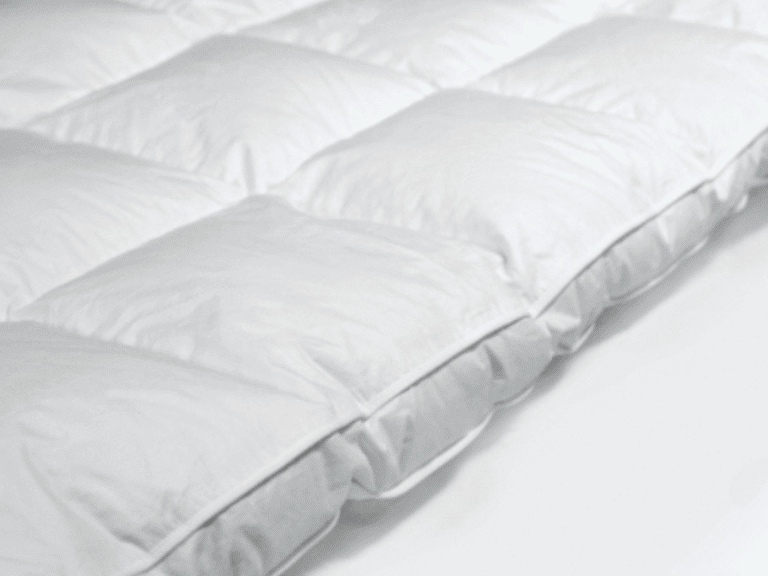
The structure matters, too. Many comforters are stitched into pockets or channels to hold fill in place. Repeated washing, strong agitation, or an unsuitable spin cycle may affect how the fill sits inside those sections. If the fill shifts or clumps, the comforter may feel uneven. Gentle maintenance is therefore about preserving both the wool and the construction that keeps it distributed.
Start by reading the care label and any instructions provided by the manufacturer. Look for specific guidance on washing temperature, detergent, machine settings, spinning, drying, and professional cleaning. If the label says dry clean only, or advises against machine washing, do not substitute a home wash based on a general wool-care tip.
Airing a wool comforter without overdoing it
Airing is one of the simplest ways to freshen bedding between washes. After getting up, fold the duvet cover back or remove it so trapped warmth and moisture can disperse. Let the comforter rest for a while before making the bed. This everyday pause can help the bedding feel less close and damp, especially in a bedroom with limited airflow.
For a more thorough refresh, choose a dry, mild day and spread the comforter over a clean, sturdy surface or hang it carefully where air can circulate around it. A shaded outdoor spot or a well-ventilated indoor area is often preferable to prolonged exposure to strong direct sunlight. Avoid placing it on the ground, near smoke, or anywhere it could pick up pollen, dust, moisture, or odors.
- Check the weather: Do not air bedding outdoors if rain, heavy dew, or high humidity is likely.
- Keep it supported: A large comforter can stretch or sag if left hanging from a narrow edge for too long.
- Allow room for airflow: Avoid folding it tightly while it is being aired.
- Bring it in promptly: Do not leave it outside overnight, when dew can add unwanted moisture.
There is no universal airing schedule. Consider your room’s ventilation, the season, and how the comforter is used. A short airing when changing sheets may be enough for many households; a longer refresh can be helpful after a warm night or a period of storage. The goal is to let air move through the bedding, not to expose wool to harsh conditions in the name of freshness.
Airing is not a substitute for cleaning when a comforter is visibly soiled or has absorbed a spill. Nor should it be described as a guaranteed way to disinfect bedding. If odors persist, stains remain, or you have concerns about allergens, follow the care label and seek appropriate professional guidance.
Use a duvet cover as the first line of defense
A removable duvet cover helps limit direct contact between the comforter and everyday dust, skin oils, and accidental marks. Unlike the filled comforter, the cover is designed to be removed and laundered more routinely, according to its own fabric-care instructions. This simple layer can reduce how often the wool itself needs attention.
Choose a cover that fits the comforter well without compressing it excessively. Secure the interior ties if the cover has them, so the comforter is less likely to bunch into one end. Wash the cover as often as needed for your household and according to its label. Let it dry fully before putting it back on; damp fabric can transfer moisture to the comforter.
If the cover is not being used, consider adding one to your regular bedding routine. It is a practical way to protect the comforter while also making seasonal changes easier: a lighter or warmer cover can alter the bed’s feel without requiring a different wool fill.
How to deal with small stains
For a fresh spill, act promptly but avoid rubbing. Blot the area with a clean, absorbent cloth to lift as much liquid as possible. Press gently rather than scrubbing, which can spread the stain or roughen the shell. If the manufacturer permits spot cleaning, use a small amount of mild detergent diluted as directed and test it first on an inconspicuous area of the shell.
Use a clean cloth lightly dampened with water to remove any detergent residue, taking care not to saturate the fill. Then blot the area with a dry towel and leave the comforter spread out in a well-ventilated place until it is completely dry. Do not cover it or return it to the bed while any dampness remains.
Different stains need different treatment, and wool can react poorly to harsh chemicals, bleach, or aggressive stain removers. Avoid applying a product unless the care instructions say it is suitable. If a stain is large, oily, old, or has penetrated the comforter, contact a cleaner experienced with wool bedding or follow the maker’s recommended professional-cleaning method.
Spot cleaning is not the same as washing the entire comforter. It is a limited response to a small area, and even then, the label should guide the method. If the shell changes color, texture, or shape during a test, stop and seek professional advice rather than continuing.
Washing wool bedding: read first, then proceed carefully
Washing should be occasional, not automatic. A duvet cover, regular airing, and prompt attention to small marks can often keep a comforter in service without frequent full cleaning. But if a wash is needed, the care label is the deciding reference. “Wool comforter” does not describe a single construction: products may use different wool fills, shells, quilting patterns, and finishing methods.
If machine washing is explicitly allowed, use the specified wool or delicate cycle and the temperature recommended by the manufacturer. Use a detergent approved for wool, and avoid bleach, fabric softener, and strong stain treatments unless the instructions specifically permit them. Do not overload the washer; the comforter needs enough space to move gently and rinse properly. A machine that is too small may strain seams or leave the bedding inadequately rinsed.
Pay close attention to instructions about agitation and spinning. Some wool comforters should be washed without agitation or should not be spun. These details are not optional refinements: strong mechanical action can distort fill or stress the stitching. If your machine cannot provide the specified setting, choose a professional cleaner rather than improvising.
Drying is just as important as washing. Follow the label’s directions, which may call for air drying or a low-heat tumble-dry setting. Avoid high heat, and do not put the comforter away or make the bed until it is fully dry throughout. A shell that feels dry on the surface may conceal dampness in the fill. Check seams and thicker areas carefully, and allow extra time if the room is cool or humid.
For the Sleep and Beyond myComforter Light, the listed care guidance advises against frequent washing and recommends a wool or delicate cycle with cool or warm water, no agitation, and no spin. It also advises air drying or low-heat tumble drying and suggests a removable duvet cover to reduce the need for cleaning. Treat these as product-specific directions, not a universal recipe for every wool comforter.
Seasonal storage: clean, dry, and breathable
When warmer weather arrives, it can be tempting to roll up a comforter and tuck it away immediately. Give it a little preparation first. Wash or clean it only if needed and permitted by the care label, then make sure it is completely dry. Even a small amount of trapped moisture can contribute to musty odors during storage.
Choose a clean, dry place with steady conditions rather than a damp basement, an attic that becomes extremely hot, or a garage where temperature and humidity fluctuate. A breathable cotton storage bag or clean fabric cover can help shield the comforter from dust while allowing some air exchange. Avoid sealing wool bedding in an airtight plastic container for long-term storage unless the manufacturer specifically recommends that method.
Fold the comforter loosely, without pressing it under heavy objects. If space allows, refold it occasionally so it is not compressed in the same position for the entire season. Keep it away from direct sunlight, strong odors, and potential sources of moisture. Cedar products or other pest deterrents should not touch the comforter directly unless their instructions confirm they are safe for the textile.
Before bringing the comforter back into regular use, inspect it for dampness, unusual odors, or visible damage. Air it in a dry, ventilated spot and check the seams and quilting. If you notice a persistent musty smell, visible mildew, or a change in the fill, avoid simply putting it back on the bed; consult the care instructions or a qualified cleaner.
Common care mistakes to avoid
- Washing too often: Frequent laundering can put needless stress on the wool fill and quilted construction.
- Using high heat: Hot water or a high dryer setting can damage materials or affect the comforter’s shape.
- Ignoring the care label: A method suitable for one washable wool comforter may be unsuitable for another.
- Storing bedding before it is dry: Hidden moisture can linger in the fill even when the outer shell seems dry.
- Scrubbing stains: Rubbing can spread a mark and damage the fabric surface.
- Compressing it for months: Heavy, tight packing may flatten the fill and strain the stitching.
- Assuming airing solves every problem: Persistent stains or odors may require a cleaning method approved by the manufacturer.
A simple wool comforter care checklist
Keeping a short routine makes bedding maintenance feel manageable. Use this checklist as a starting point, then adjust it to the comforter’s care label and the needs of your home:
- Air the comforter periodically in a dry, well-ventilated place.
- Use a removable duvet cover and launder the cover as directed.
- Blot small spills promptly; do not rub or saturate the fill.
- Wash the comforter only when needed and only by an approved method.
- Use the detergent, temperature, cycle, and drying approach specified by the manufacturer.
- Confirm the comforter is fully dry before putting it on the bed or storing it.
- For seasonal storage, choose a clean, dry, breathable place and avoid heavy compression.
The payoff is care that stays simple
Wool comforter care does not require constant washing or complicated treatments. A protective duvet cover, occasional airing, and careful storage can go a long way toward keeping bedding pleasant between cleanings. When a spill or a more thorough wash is necessary, slow down and check the manufacturer’s directions before reaching for detergent or turning on the machine.
With a gentle routine, you can respect the wool, the shell, and the construction that gives the comforter its familiar feel. Whether you use a lightweight option such as the Sleep and Beyond myComforter Light or another wool-filled design, the same rule applies: follow the specific care instructions, keep moisture in check, and choose the least aggressive method that gets the job done.